
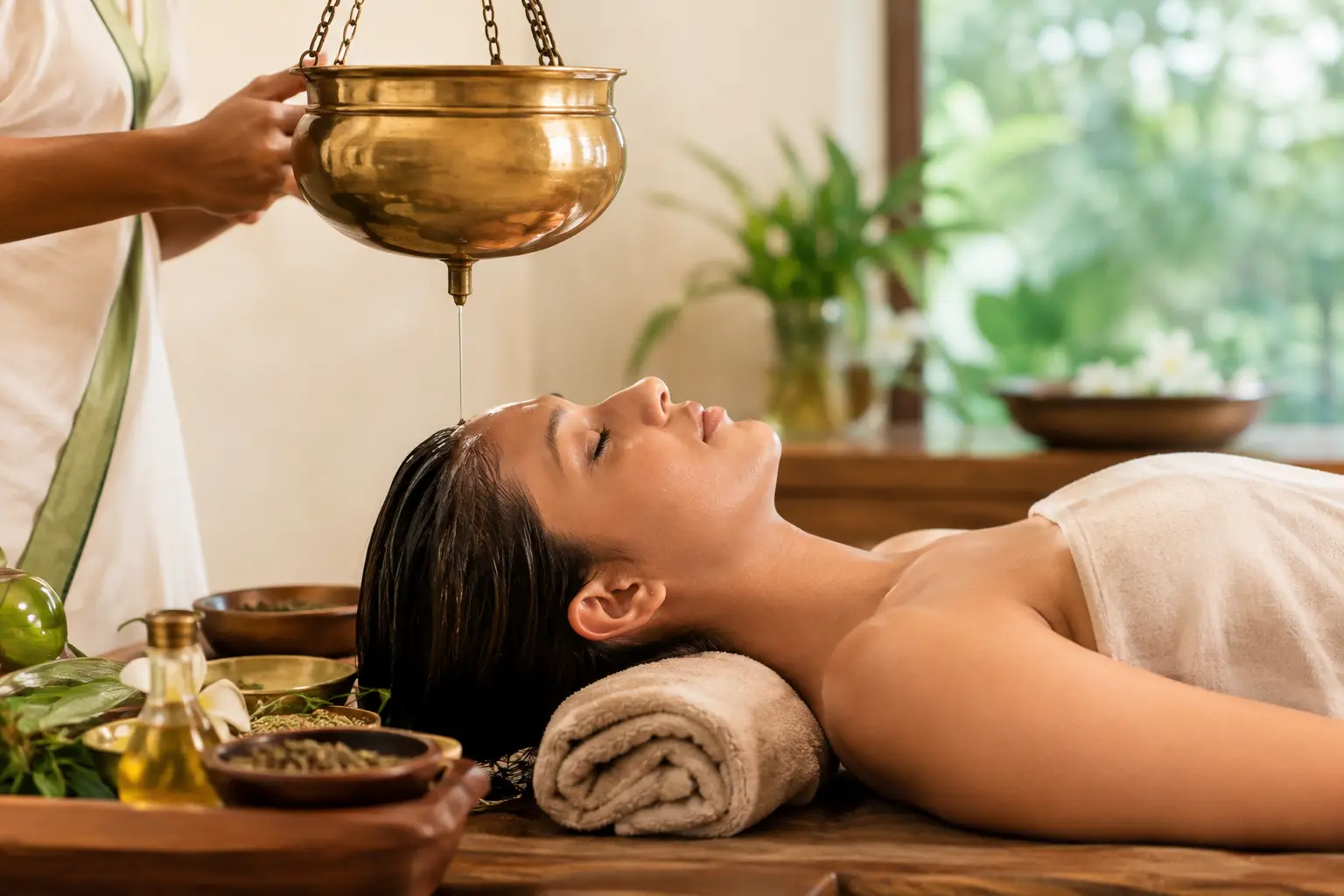
A warm foot soak, the scent of carefully chosen oils, and unhurried therapeutic touch can change the pace of an entire day. So, are Ayurvedic treatments relaxing? For many guests, deeply so. They are designed not simply to work on tired muscles, but to create a feeling of wholeness: body softened, mind quieter, and inner self gently invited back into balance.
That said, relaxation is personal. An Ayurvedic ritual can feel profoundly restful when the pressure, warmth, aroma, and pace are suited to you. The most meaningful experience is one that meets you where you are, whether you arrive carrying a demanding workweek, physical tension, or a need for a more intentional kind of pause.
Why Ayurvedic Treatments Feel So Relaxing
Ayurveda is an ancient holistic tradition centered on balance and individualized care. In a spa setting, that philosophy often comes through in the treatment’s rhythm. Rather than rushing from one technique to the next, an Ayurvedic-inspired ritual makes room for arrival, warmth, and presence.
The experience commonly begins before the massage itself. A soothing foot ritual helps signal the transition from the outside world to a quieter space. This simple detail can be surprisingly powerful after a day spent moving through Toronto traffic, meetings, screens, and schedules. It offers a moment to settle before the rest of the treatment unfolds.
Warm oil is another reason these rituals are associated with deep comfort. Applied through slow, flowing massage strokes, it can create a cocooning sensation that feels different from a quick, targeted massage. The skin is nourished, muscles are encouraged to release, and the warmth can make it easier to let go of the urge to keep thinking ahead.
Aroma also shapes the atmosphere. Gentle botanical scents can turn a treatment room into a sensory refuge, helping some guests connect more readily with a feeling of calm. Preferences matter here. If you are sensitive to fragrance or have a scent you dislike, let your therapist know so the experience can be tailored with care.
What an Ayurvedic Relaxation Ritual May Include
No two Ayurvedic treatments need to feel exactly alike. A thoughtful spa experience considers your comfort, areas of tension, and what you hope to receive from your time. Still, many rituals share a few calming elements.
Warm, Intentional Massage
Ayurvedic massage often uses oil and long, continuous movements rather than only concentrated deep-pressure work. This can feel wonderfully grounding for someone whose nervous system has been running on high alert. The aim is often a sense of flow and ease, not just the relief of one tight shoulder or calf.
That does not mean the treatment cannot address specific areas. If your neck feels stiff from desk work or your legs feel heavy after a long week, tell your therapist. Personalized care can blend focused attention with the expansive, restful pace that makes an Ayurvedic ritual feel so special.
An Unhurried Sensory Environment
Relaxation is influenced by more than massage technique. Temperature, lighting, sound, textures, and the way you are welcomed all shape how safe and settled you feel. A beautiful treatment room may seem like a small detail, yet it helps the mind understand that it has permission to rest.
At Atmana Wellness and Spa, Ayurvedic rituals are offered on authentic Ayurvedic beds, with each visit framed as a personal wellness experience rather than another item on a busy schedule. Time in the serene lounge, with tea, coffee, or coconut water between services, can extend the calm beyond the treatment table.
A Sense of Ritual
Ritual is not about formality. It is about moving with intention. When a treatment has a beginning, a gentle progression, and a quiet return to the present, it can feel more restorative than a service squeezed into an already packed day.
For some guests, this is the most relaxing part of all. The mind is given fewer decisions to make. You are not expected to perform, respond to notifications, or plan what comes next. You simply receive care.
Are Ayurvedic Treatments Always Gentle?
Not necessarily. “Relaxing” does not have to mean feather-light pressure. Your therapist may use firmer techniques when appropriate, especially in areas holding persistent tension. Yet the overall feeling can still be calming because the treatment is delivered with a slower, more attentive rhythm.
Your ideal pressure is the one that allows you to breathe easily and soften into the table. If a technique feels too intense, speak up in the moment. A treatment should never become an endurance exercise. Clear communication allows your therapist to adjust pressure, focus, temperature, or oil selection so you can remain comfortable.
There are also days when stillness can bring emotions or mental activity to the surface. This is not unusual. A quiet room and caring touch may reveal how much you have been carrying. You do not need to force a particular outcome. Let the experience be what it is: a calm space to reconnect with yourself.
Choosing the Right Experience for Your Needs
If your main goal is stress relief, look for a ritual that emphasizes warm oil, flowing massage, aromatherapy, and enough time to settle in without feeling rushed. A 90-minute experience can be especially lovely when you want both a full-body treatment and a slower transition in and out of relaxation.
If you are new to Ayurvedic spa care, a shorter ritual is a welcoming introduction. You can experience the warmth, scent, and mindful touch without committing a large portion of your day. It may also help you learn whether you prefer lighter or firmer pressure, minimal or more aromatic oils, and a quiet treatment or one that includes more consultation.
For couples, friends, or anyone marking a meaningful occasion, an Ayurvedic treatment can offer something more lasting than a typical outing. Shared wellness time creates room to reconnect without the noise of a restaurant or event. The memory is often not just of the massage, but of how rested and present you felt afterward.
A Few Practical Considerations Before You Arrive
To get the most from an Ayurvedic ritual, give yourself a little breathing room afterward when possible. Avoid scheduling something demanding immediately after your appointment. A short walk, a warm drink, or a quiet evening can help preserve the spacious feeling you have created.
Wear whatever helps you feel at ease, arrive a few minutes early, and share relevant preferences with your therapist. Mention allergies, skin sensitivities, injuries, pregnancy, health concerns, or medications that may affect your comfort. Ayurvedic spa treatments are intended for relaxation and wellness support, not as a replacement for medical care. If you have a medical condition or are unsure whether massage is appropriate, seek guidance from a qualified healthcare professional first.
You may also want to plan for the presence of oil on your skin and hair, depending on the ritual. Some guests love leaving it on for a time, while others prefer to rinse sooner. There is no wrong choice. Your therapist can explain what to expect and help you decide what feels best for your routine.
Let Relaxation Be Personal
The beauty of Ayurvedic care is that it does not ask you to fit one definition of rest. You may leave feeling sleepy and soft, clear-headed and refreshed, or simply more at home in your body. Each response can be its own form of renewal.
When life feels overly scheduled, choosing a ritual with warmth, intention, and personalized touch can be a gentle way to hit the pause button. Give yourself permission to arrive as you are, receive what you need, and carry a little more calm back into the day.