
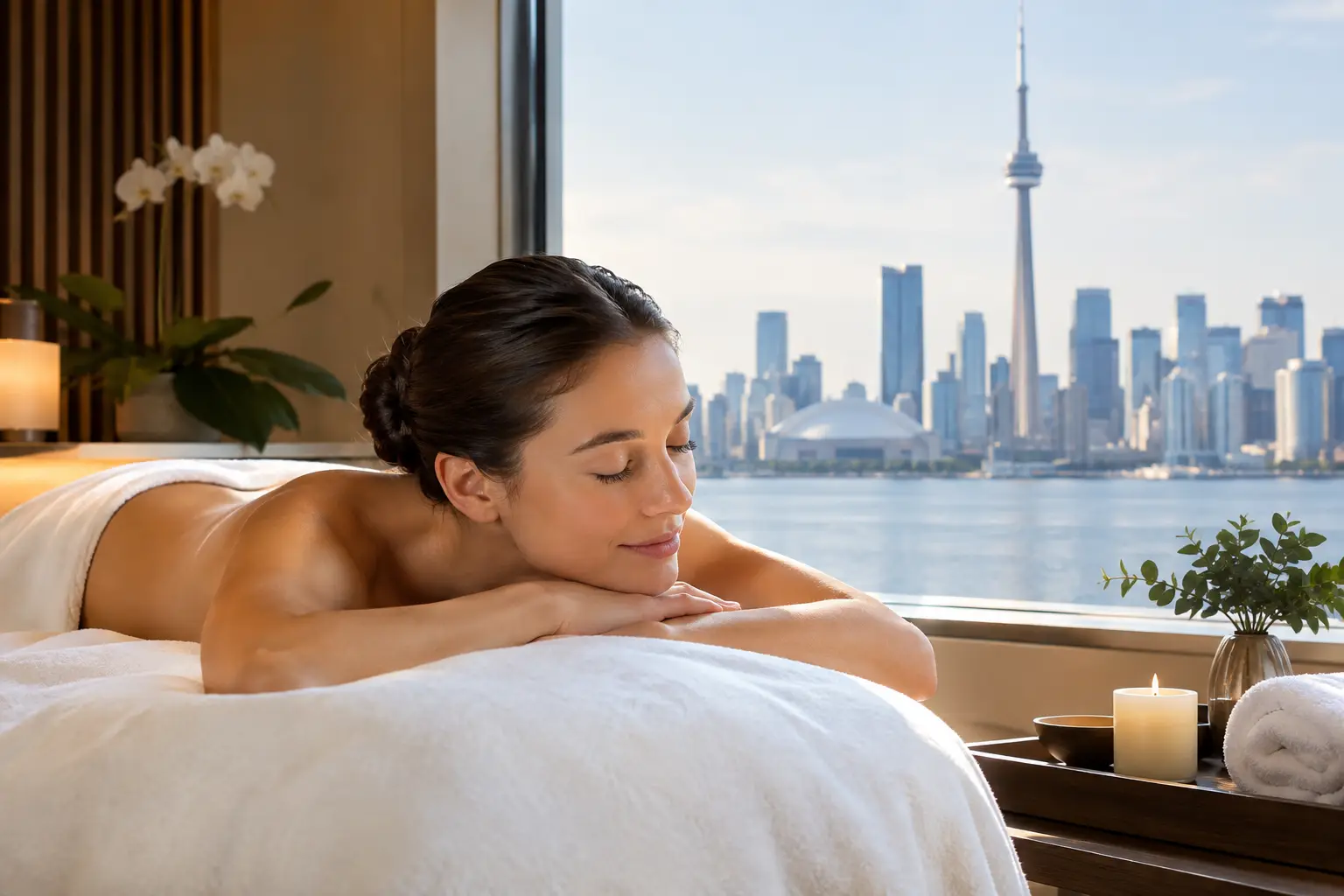
A full calendar can make rest feel like something to earn. Yet the signs that you need a pause often arrive quietly: shoulders that never quite soften, sleep that does not leave you restored, or a mind that keeps moving long after the workday ends. Thoughtful retreats create room to notice those signals and respond with care.
You do not need to leave the city, take a week away, or follow a complicated wellness routine to feel renewed. A well-designed urban retreat can shift the pace of an ordinary day, offering the kind of unhurried attention that helps the body release tension and the mind return to itself. The difference is not simply the massage, facial, or aromatic oil. It is the intention held around every moment.
What Makes Retreats Feel Different From a Spa Appointment?
A conventional appointment can be wonderfully effective: arrive, receive a treatment, and continue with the day. Retreats invite a gentler rhythm. There is time to transition out of the outside world before treatment begins, and space to absorb its benefits afterward.
This matters more than it may seem. When you move quickly from a meeting, commute, or crowded sidewalk directly onto a treatment bed, the nervous system may still be asking you to stay alert. A retreat begins by helping you arrive. A warm foot soak, a welcoming drink, quiet surroundings, and a few unrushed breaths signal that there is nowhere else you need to be.
From there, personalized care becomes more meaningful. Perhaps your body is asking for therapeutic pressure through the shoulders and back. Perhaps your skin needs hydration and a brighter, more rested appearance. Perhaps you are craving calm more than anything else. The most restorative experience does not follow a fixed idea of what wellness should look like. It responds to what you need that day.
The Value of an Urban Pause
There is a common belief that a true retreat must involve distance. A lakefront cabin, a coastal resort, or a flight to somewhere warm can certainly be restorative. But for many people, travel introduces its own planning, expense, and pressure to make every moment count.
Urban retreats offer a different kind of luxury: accessibility. They make restoration part of real life, rather than a rare event saved for a special occasion. A 45-minute indulgence ritual between responsibilities can soften the sharp edges of a demanding week. A longer 90-minute ritual can become a deliberate reset after a season of overextension.
For Toronto professionals, parents, caregivers, and city dwellers, this proximity is meaningful. You can step out of the pace of Downtown Toronto or Liberty Village, enter a calming space, and return to your life feeling more grounded. The city has not disappeared, but your relationship to it may feel different.
Choosing the Retreat That Meets You Where You Are
The right retreat depends less on trends and more on the kind of restoration you are seeking. Begin with an honest question: what would feel most supportive right now?
When Your Body Holds the Week
If you notice a tight jaw, tired legs, headaches, or persistent tension through the neck and shoulders, a wellness massage may be the natural place to begin. Therapeutic touch can encourage circulation, soothe overworked muscles, and create a sense of physical ease that is hard to achieve by simply sitting still.
Pressure preferences matter. Deeper work can be satisfying for someone who carries substantial muscular tension, while a lighter, flowing approach may be more appropriate when you feel depleted or sensitive. Sharing how your body has been feeling allows your therapist to shape the experience with greater care.
When You Want to Feel Refreshed in Your Skin
A facial retreat is about more than visible radiance, though that renewed glow is a welcome result. It is an opportunity to slow down while the skin receives focused attention. Hydration, gentle exfoliation, massage, and customized care can leave the complexion looking rested while offering a quieter benefit: the feeling of being tended to.
If you are preparing for a celebration, consider timing. Schedule far enough ahead that your skin has time to settle, particularly if you are trying a new treatment. If your goal is ongoing skin health, regular, personalized facials can support a more consistent ritual of care.
When Your Mind Needs a Change of Pace
For mental fatigue, sensory details are often as important as the treatment itself. Aromatherapy can help create an emotional shift through scent, while a quiet lounge and warm tea extend the invitation to slow down. Ayurvedic-inspired rituals add another layer of intention, drawing on time-honored practices that honor balance across body, mind, and inner self.
You do not need prior experience with Ayurveda to enjoy it. Ask questions, share your preferences, and let the ritual be approachable. Wellness should feel personal, not like a test you need to pass.
The Small Rituals That Deepen Restoration
The most memorable retreats are rarely defined by one grand gesture. They are created through thoughtful transitions: placing your phone away, drinking water before you rush off, allowing a few quiet minutes after your treatment, or selecting a scent that makes you exhale more fully.
At Atmana Wellness and Spa, each experience begins with a soothing foot ritual, an intentional moment that helps ground you before personalized care begins. It is a simple practice with a powerful message: you have arrived, and you are allowed to rest.
To carry that feeling into your own visit, give yourself a little space around your reservation if possible. Avoid booking a stressful call immediately afterward. Wear comfortable clothing. Let your therapist know if an area feels tender, if you are sensitive to fragrance, or if you have a particular outcome in mind. These details help transform a service into care tailored to you.
Can a Short Retreat Really Make a Difference?
Yes, although the result depends on your needs and expectations. A single session may not resolve long-standing stress or chronic physical discomfort. It can, however, interrupt the cycle of constant doing. Even a brief ritual can release immediate tension, improve your mood, and remind you what a more rested version of yourself feels like.
The deeper benefit often comes from consistency. Consider wellness care in the same way you might consider movement, nourishing meals, or sleep. A monthly facial, a massage during especially demanding periods, or a seasonal ritual can help you respond to stress before it becomes overwhelming.
Consistency does not need to be rigid. Your rhythm may change with work deadlines, weather, travel, or family commitments. The goal is not another task on your list. It is creating a reliable way to return to balance.
Sharing Retreats With Someone You Love
Retreats can also make meaningful shared experiences. A couple may choose an afternoon of calm instead of another busy dinner reservation. Friends can gather for a wellness-focused celebration that feels more nourishing than a crowded night out. A gift card can offer someone permission to choose the care they may not otherwise prioritize for themselves.
Still, shared wellness should leave room for individuality. One person may want a deep massage while another prefers a facial or gentler aromatherapy ritual. The best group experience respects each guest’s needs while creating space to reconnect afterward, perhaps over tea, coffee, or coconut water in a serene lounge.
Let the Calm Continue After You Leave
A retreat does not need to end at the door. Rather than returning immediately to notifications and errands, try preserving one small part of the experience. Take a slower walk home. Prepare a warm shower with a scent you enjoyed. Dim the lights that evening. Let bedtime arrive a little earlier.
These choices are not about recreating a spa at home. They are about protecting the softness you worked to find. A moment of care can become a quiet reminder: renewal is not far away, and your space of calm can begin with the next intentional pause.