
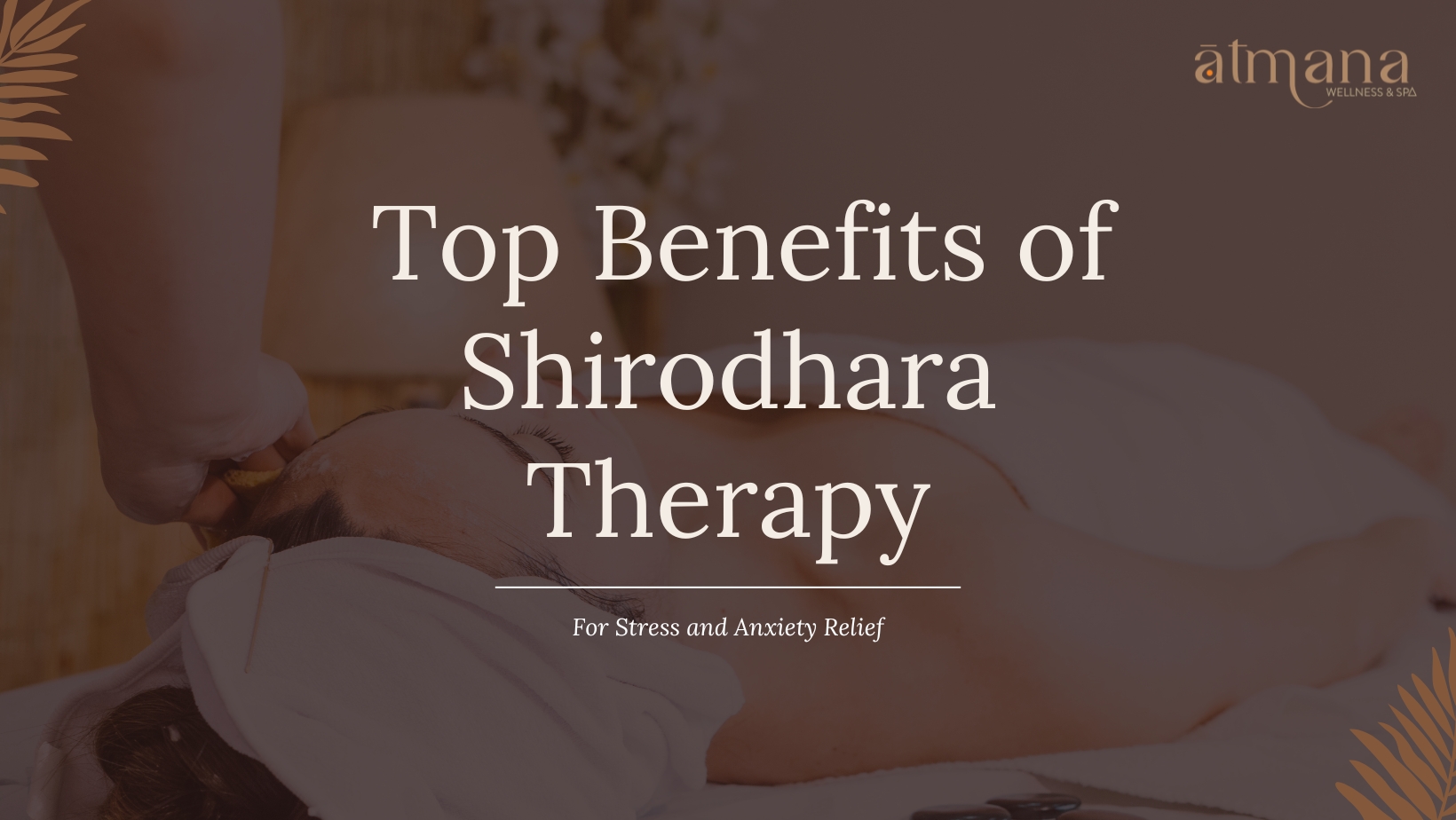
If you have been living with persistent stress, disrupted sleep, or a mind that simply will not quiet down, you are not alone, and you are probably looking for something that goes deeper than a standard massage. Shirodhara therapy is a centuries-old Ayurvedic treatment that has helped people find genuine, lasting relief from both mental and physical tension. This article helps clarify and understand what shirodhara is, what it actually does for the body and mind, and whether it might be the right treatment to book at your next wellness event.
Unlike treatments that work mainly on muscle tension, shirodhara targets the nervous system directly. Warm oil flows in a slow, continuous stream across the forehead, specifically over the third eye point, creating a deeply meditative state that most guests describe as unlike anything they have experienced before. The effects are real, and the science behind them is growing.
Whether you are new to Ayurveda or simply curious about a more intentional approach to stress relief, this guide walks you through the top shirodhara benefits, what to expect during your session, and how to decide if it is right for you.
What Is Shirodhara and How Does It Work?
Shirodhara comes from the Sanskrit words ‘shiro’ (head) and ‘dhara’ (flow). In practice, it means a continuous, rhythmic stream of warm oil poured over the forehead for anywhere from 30 to 60 minutes. The oil runs across a specific point between the eyebrows, the area Ayurvedic tradition refers to as the third eye, which is closely connected to the nervous system and sensory regulation.
The mechanism is not purely symbolic. The steady warmth and rhythmic motion stimulate the hypothalamus and activate the parasympathetic nervous system, the branch responsible for rest, digestion, and recovery. Heart rate slows. Cortisol drops. Brainwave activity shifts toward the deeply relaxed alpha and theta states associated with meditation and restorative sleep. This is why so many guests feel an almost immediate sense of mental stillness, even on their first visit.
Shirodhara is typically performed as part of a longer Ayurvedic session that may also include an Abhyanga (full-body oil massage) to warm the body and open the channels before the oil flow begins. You lie on a comfortable treatment table, eyes covered with a light cloth, as the practitioner steadily pours warmed oil from a suspended vessel. Most people find it profoundly relaxing, and some fall asleep within minutes.
Which Oil Is Used for Shirodhara, and Why Does It Matter?
The oil used in a shirodhara treatment plays a central role in the experience. Warm, carefully selected oil is poured in a continuous stream across the forehead, and its temperature, weight, and herbal properties all contribute to the depth of the treatment.
Sesame oil is one of the most traditional choices in Ayurvedic practice. It is warming and deeply nourishing, making it well-suited to the slow, meditative nature of shirodhara. Herbal oils infused with ingredients like brahmi are also commonly used, as brahmi is widely recognised in Ayurveda for its calming effect on the mind and its support for restful sleep.
At Atmana Wellness & Spa, your practitioner will discuss your current concerns and health history before your session begins. This conversation shapes how your treatment is approached and ensures the experience is appropriate for where you are right now.
Top Benefits of Shirodhara Therapy for Mind, Body, and Brain
Shirodhara benefits go well beyond simple relaxation. Here is a detailed look at what this treatment consistently delivers and why it works.
1. Immediate and Deep Stress Relief
The continuous flow of warm oil over the forehead triggers an almost immediate relaxation response. The nervous system reads the steady, rhythmic sensation as a signal to downshift, and it does. Guests often describe a feeling of weightlessness or the sense that their thoughts have finally quieted. For people who have been carrying chronic stress for months or years, this kind of reset is genuinely different from anything a standard spa treatment can offer.
2. Clinically Supported Anxiety Reduction
Does shirodhara help with anxiety? The evidence says yes. A growing body of research has found that shirodhara measurably reduces anxiety scores and self-reported stress. The treatment works by regulating the hypothalamic-pituitary-adrenal (HPA) axis, the system that governs the stress response. Regular sessions can help bring a chronically activated nervous system back into balance over time.
3. Better Sleep Quality
Insomnia and disrupted sleep are often symptoms of an overactive mind. Shirodhara addresses the root cause rather than just the symptom. By calming the nervous system and reducing cortisol, the treatment supports the natural conditions for deeper, more restorative sleep. Many guests report that they sleep more soundly on the night of their session, and that regular treatments compound those results.
4. Enhanced Mental Clarity and Focus
The shirodhara benefits for brain function are one of the most discussed aspects of this therapy in Ayurvedic literature. The treatment is associated with improved concentration, sharper memory, and a reduction in mental fog, particularly when brahmi-infused oils are used. For Toronto professionals dealing with cognitive fatigue or decision-making burnout, this is one of the most valuable practical outcomes.
5. Relief from Tension Headaches and Migraines
Many guests who experience chronic tension headaches or migraines find significant relief through regular shirodhara sessions. The oil’s warmth relaxes the muscles of the scalp, neck, and upper back, while the neurological calming effect reduces the vascular tension that often underlies migraines. It is a particularly appealing option for those who prefer not to rely solely on medication.
6. Scalp and Hair Health
The prolonged contact of warm, nutrient-rich oil with the scalp nourishes the hair follicles, improves circulation, and addresses dryness and inflammation. Many guests notice improvements in hair texture and scalp health after just a few sessions. This is a welcome bonus for those who come primarily for stress relief and find they are also addressing a long-standing hair or scalp concern.
7. Nervous System Regulation and Burnout Recovery
For people in the later stages of burnout, where fatigue no longer resolves with rest, emotions feel dysregulated, and the ability to concentrate has deteriorated, shirodhara offers something most conventional treatments cannot: direct, sustained input to the parasympathetic nervous system. Rather than masking symptoms, it works to restore the body’s own capacity for calm, recovery, and resilience over a course of treatments.
What to Expect During Your Shirodhara Session in Toronto
Knowing what happens during an oil drip massage session helps you arrive relaxed and get the most from your time. Here is a simple overview of how a typical visit unfolds.
- Consultation: Your practitioner reviews your health history, current concerns, and session format.
- Preparation: You may begin with an Abhyanga (full-body Ayurvedic oil massage) to warm the body and relax the muscles before the shirodhara treatment begins.
- Positioning: You lie face up on a treatment table, with your eyes and ears gently covered for comfort and to deepen the relaxation experience.
- Oil flow: Warm oil is poured in a steady, pendulum-like stream across the forehead for 30 to 45 minutes. The temperature is kept consistent throughout.
- Rest period: After the oil flow, you are given time to rest quietly before rising. This is an important part of the treatment. Do not rush it.
- Post-session guidance: Your practitioner may offer advice on diet, rest, and follow-up treatments to extend the benefits at home.
Most guests feel deeply calm, slightly drowsy, and noticeably lighter after their session. Plan to take it easy for the remainder of the day, if possible. Heavy activity or screen time immediately afterward can interrupt the nervous system reset that the treatment has initiated.
If you are looking for a shorter introduction to Ayurvedic wellness, Atmana also offers 45-minute indulgence rituals designed to deliver a meaningful experience within a more compact timeframe, a great starting point if you are new to this style of treatment.
Is Shirodhara Right for You?
Shirodhara is appropriate for most healthy adults. It is particularly well-suited for people dealing with chronic stress, anxiety, burnout, insomnia, tension headaches, or mental fatigue. It is also a meaningful gift option for someone who needs deep rest but rarely prioritizes it.
There are a few situations where a practitioner may advise modifications or alternative treatments, including pregnancy, active scalp infections, or certain cardiovascular conditions. A brief intake conversation before your session ensures that your treatment is tailored appropriately and safe for you. For guests who enjoy drawing from more than one healing tradition, Atmana’s global fusion treatment menu blends techniques from around the world alongside its Ayurvedic offerings, giving you a broader range of options to explore based on your needs.
Ready to Experience Shirodhara in Toronto?
Shirodhara therapy offers something genuinely rare in a busy city: a treatment that slows the mind down at the source, not just the surface. Whether you are managing chronic stress, struggling with sleep, or simply ready to invest in deep recovery, this Ayurvedic oil therapy delivers results that most guests feel from the very first session.
The team at Atmana Wellness & Spa brings genuine care and expertise to every treatment. Book your session at Atmana Wellness & Spa and find out for yourself.
Frequently Asked Questions
1. What is shirodhara, and what does it feel like?
Shirodhara is an Ayurvedic therapy in which warm oil is poured in a continuous stream over the forehead for 30 to 45 minutes. Most guests describe it as deeply meditative, a state of quiet, weightless calm that is hard to achieve any other way. Many people feel a noticeable shift in mental tension within the first few minutes of the oil flow.
2. Does shirodhara help with anxiety?
Yes. Shirodhara therapy has been studied for its effects on anxiety and has shown measurable results in reducing anxiety scores and stress markers. It works by activating the parasympathetic nervous system and regulating cortisol, making it particularly effective for people with generalized anxiety, stress-related restlessness, or a nervous system that feels chronically overstimulated.
3. Which oil is used for shirodhara?
Warm oil is central to the shirodhara experience, and the choice is made based on your current concerns and health history. Sesame oil is one of the most traditional options, valued in Ayurveda for its grounding and calming properties. Herbal oils such as brahmi are also used to support mental calm, clarity, and restorative sleep.
4. How many shirodhara sessions are needed to see results?
Many guests notice significant benefits after their very first session, particularly in terms of sleep quality and mental calm. For deeper or more lasting results, especially for chronic stress, anxiety, or burnout, a series of three to seven sessions spread over two to four weeks is typically recommended by Ayurvedic practitioners.
5. Can shirodhara be combined with other Ayurvedic treatments?
Absolutely. Shirodhara is often performed after an Abhyanga (full-body Ayurvedic oil massage) as part of a complete session. Combining treatments deepens the overall effect and allows the practitioner to address both physical and mental tension in a single visit. Your practitioner can help design a session combination that fits your specific wellness goals.